wHAT IS NEW IN THE CHIMNEY SWEEP WORLD
|
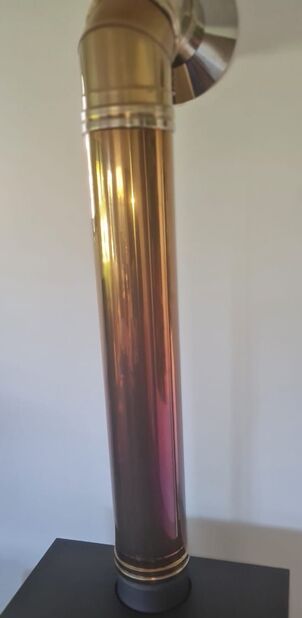
Why high polished pipes turn colour after a few uses
Your beautiful high-polished flue, a gleaming testament to a well-maintained fireplace, becoming discolored after use can be quite frustrating. It's often not a sign of poor maintenance on your part, but rather a consequence of the byproducts of combustion.
The primary culprit is usually creosote. When you burn wood, especially softwood or unseasoned wood, it doesn't always combust completely. This incomplete combustion releases volatile organic compounds and tiny particulate matter into the chimney. As these gases cool in the flue, they condense and cling to the internal surfaces, forming creosote. Creosote can range from a flaky, sooty residue to a tar-like, hardened glaze, and it's almost always black or dark brown. Another factor can be soot, which is essentially unburnt carbon particles. While soot is typically a dry powder, it can also contribute to the darkening and dulling of your highly polished flue. The "high polished" nature of your flue, while aesthetically pleasing, might even make these discolorations more noticeable. The smooth, reflective surface highlights any deposits, whereas a matte finish might disguise them more effectively. To minimize discoloration, focus on burning dry, seasoned hardwood. Ensure your fires burn hot and efficiently, and consider having your chimney professionally swept regularly to remove built-up creosote and soot. |
|
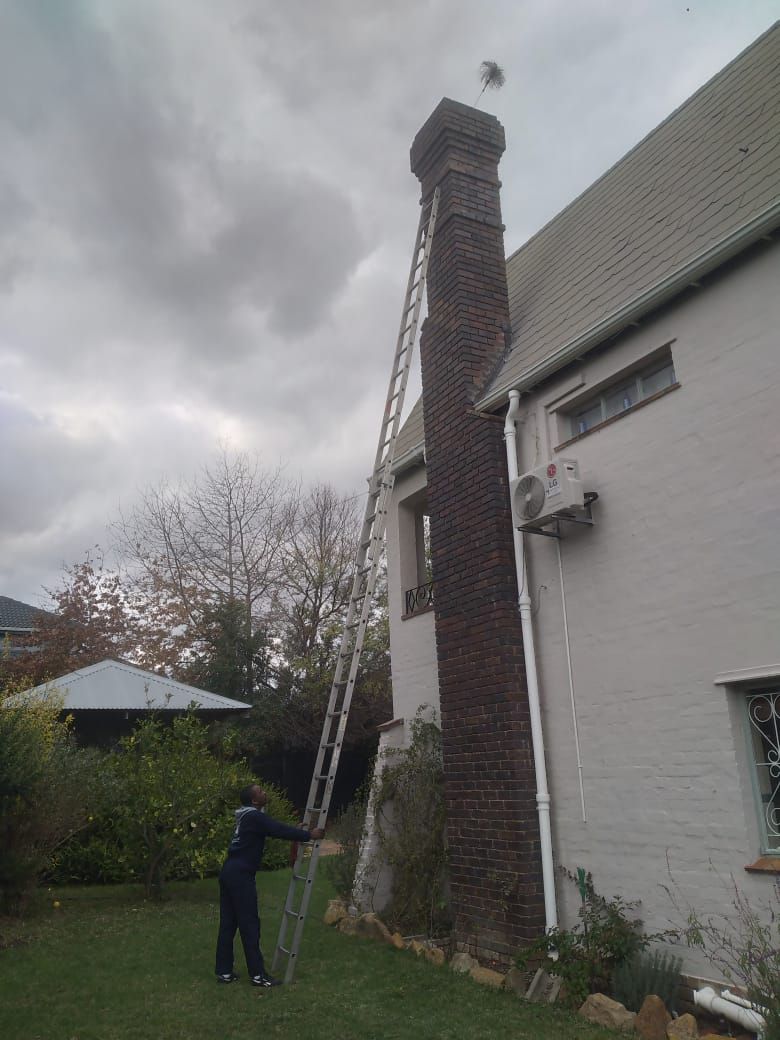
When to recognise your chimney is too long
Is your fireplace sending smoke back into the room instead of up the chimney? While many factors contribute to a good chimney "draw" (the upward flow of smoke and gases), your chimney's height might be the silent culprit.
Chimneys work on the principle of buoyancy. Hot combustion gases are lighter than the cooler air outside, so they naturally rise. The taller the column of hot gas in your chimney, the stronger the pressure difference – and thus, the stronger the draw. If your chimney is too short, there simply isn't enough vertical distance for a strong enough draft to establish. This can be especially problematic in modern, tightly sealed homes where negative air pressure can pull smoke back indoors. Furthermore, a short chimney might not clear nearby rooflines or other obstacles, creating turbulence or downdrafts that push smoke back down. Conversely, an excessively tall chimney can also cause issues. If the flue gases travel too far, they can cool down significantly before exiting, reducing the buoyant effect and weakening the draw. There are general guidelines, often referred to as the "3-2-10 rule," which dictate minimum chimney heights relative to the roof and surrounding structures. If your chimney doesn't meet these recommendations, extending its height could be the key to achieving that perfect, smoke-free draw. Always consult a professional to assess your specific chimney and fireplace needs. |
|
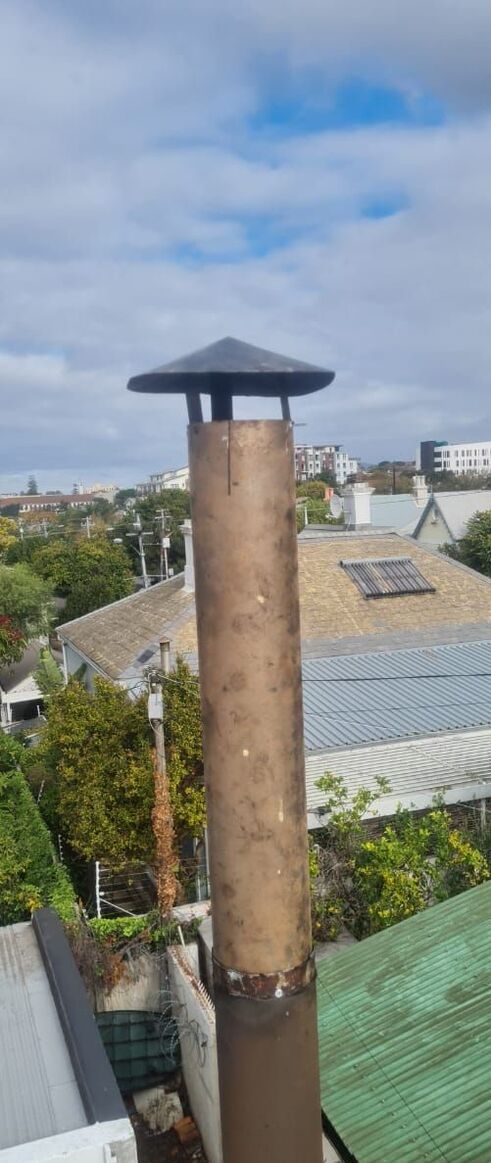
Do not hire companies who moonlight as sweepers
It's incredibly frustrating when an initial chimney installation doesn't perform as expected, often leading to the need for an extension. While seeking a solution, it's crucial to resist the temptation of "moonlighters" – individuals offering cheaper, off-the-books services. In South Africa, like anywhere, proper chimney installation and modification require specialist knowledge of building codes, fire safety regulations, and the complex physics of draft. Reputable companies provide trained, certified professionals who understand these intricacies. They'll conduct thorough assessments, offer proper contracts, carry insurance, and provide warranties for their work. This gives you peace of mind and recourse if issues arise. Moonlighters, on the other hand, often lack the necessary qualifications, insurance, and accountability. Their "quick fixes" can lead to dangerous situations like carbon monoxide leaks, chimney fires, or structural damage, putting your home and family at severe risk. What might seem like a cost-saving measure upfront can quickly become a far more expensive and hazardous problem down the line. When considering a chimney extension, always prioritize safety and quality. Invest in a reputable, registered company that can provide proof of their expertise and professionalism. Your home's safety is worth it. Ask for references, how long have they been around, check their google reviews.....Safe is way better than a shoddy job. As |
Check our frequently asked question section. Here is our terms and conditions. Feel free to contact us. Click for our homepage
Areas we cover:
Rondebosch | Pinelands | Thornton | Observatory | Woodstock | Zonnebloem | Walmer Estate | Devils Peak | Vredehoek | Oranjezicht | Higgovale | Gardens | Tamboerskloof | Rosebank | Newlands | Kenilworth | Harfield | Claremont | Wynberg | Plumstead | Bishopscourt | Bakoven | Constantia | Diepriver | Bergvliet | Tokai | Heathfield | Lakeside | Muizenberg | Fish hoek | Kalk Bay | Simons Town | Murdock Valley | Glencairn | Welcome Glen | Da Gama Park | Noordhoek | Clovelly | Hout Bay | Sunnydale | Camps Bay | Llandudno | Bantry Bay | Clifton |Fresnaye | Sea Point | Milnerton | Cape Town | Flamingo Vlei | Bloubergstrand | Parklands | Parklands North | Sunningdale | West Beach | Blouberg Ridge | Riverside | Atlantic Beach | Melkbos | Langebaan | Durbanville | Welgemoed | Mowbray | Claremont | Rondebosch East | Plattekloof | Edgemead | Burgandy Estate | Monte Vista | Panorama | Bellville | Parow | Goodwood | Kuilsriver | Paarl | Stellenbosch | Strand | Somerset West | Brackenfell | Paarden Island| Montague Gardens | Kilarney Gardens | Greyton | Bettys Bay | Rooi Els | Hermanus | Napier | Grabouw | Bredasdorp | Pringle Bay | Wellington | Loevenstein | Riebeek kasteel | Riebeek Wes | Mcgregor
Areas we cover:
Rondebosch | Pinelands | Thornton | Observatory | Woodstock | Zonnebloem | Walmer Estate | Devils Peak | Vredehoek | Oranjezicht | Higgovale | Gardens | Tamboerskloof | Rosebank | Newlands | Kenilworth | Harfield | Claremont | Wynberg | Plumstead | Bishopscourt | Bakoven | Constantia | Diepriver | Bergvliet | Tokai | Heathfield | Lakeside | Muizenberg | Fish hoek | Kalk Bay | Simons Town | Murdock Valley | Glencairn | Welcome Glen | Da Gama Park | Noordhoek | Clovelly | Hout Bay | Sunnydale | Camps Bay | Llandudno | Bantry Bay | Clifton |Fresnaye | Sea Point | Milnerton | Cape Town | Flamingo Vlei | Bloubergstrand | Parklands | Parklands North | Sunningdale | West Beach | Blouberg Ridge | Riverside | Atlantic Beach | Melkbos | Langebaan | Durbanville | Welgemoed | Mowbray | Claremont | Rondebosch East | Plattekloof | Edgemead | Burgandy Estate | Monte Vista | Panorama | Bellville | Parow | Goodwood | Kuilsriver | Paarl | Stellenbosch | Strand | Somerset West | Brackenfell | Paarden Island| Montague Gardens | Kilarney Gardens | Greyton | Bettys Bay | Rooi Els | Hermanus | Napier | Grabouw | Bredasdorp | Pringle Bay | Wellington | Loevenstein | Riebeek kasteel | Riebeek Wes | Mcgregor