Frequently asked questions
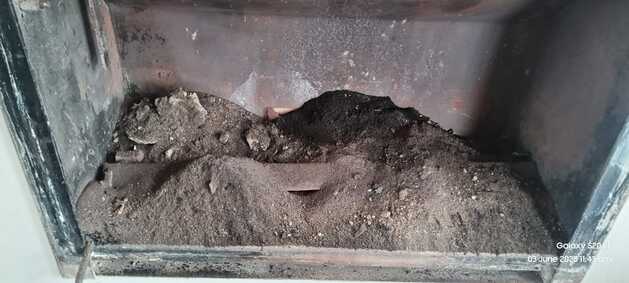
Chimneys are vital for the safe and efficient operation of fireplaces and other heating appliances. It's natural to have questions about their maintenance, safety, and function. Here are 20 commonly asked questions about chimneys, along with their answers
1. How often should I have my chimney swept and inspected?
Most experts, including the National Fire Protection Association (NFPA), recommend annual chimney inspections. Sweeping frequency depends on usage and fuel type. For wood-burning fireplaces, Insurance companies suggests sweeping when 1/8 inch of sooty buildup or any glazed creosote is present. Heavy users may need more frequent cleanings (e.g., after burning a cord of wood). Gas fireplaces still need annual inspections for blockages and component checks, even if creosote isn't an issue.
2. What is creosote and why is it dangerous?
Creosote is a highly flammable byproduct of incomplete wood combustion. It's a tar-like, sticky, or flaky substance that accumulates in the chimney flue. It poses a significant fire hazard and can also block the chimney, causing smoke and carbon monoxide to enter the home.
3. What are the signs I need a chimney sweep?
Signs include:
4. What's the difference between soot and creosote?
Soot is generally a fine, black, powdery residue, often relatively harmless if not in excessive amounts. Creosote is a more dangerous, highly flammable, and sticky byproduct that can lead to chimney fires.
5. Why is my chimney smoking back into the room?
Common reasons include:
6. Do gas fireplaces need chimney inspections/sweeping?
Yes, even though gas burns cleaner than wood and doesn't produce creosote, annual inspections are crucial. The chimney can still become blocked by bird nests, debris, or crumbling mortar, posing a carbon monoxide risk.
7. What is a chimney cap and why do I need one?
A chimney cap (sometimes called a spark arrestor or rain cap) sits on top of your chimney. It prevents rain, snow, animals (birds, rodents), and debris from entering the flue. It also helps prevent sparks from flying out and igniting the roof.
8. My chimney has a bad smell, especially in summer. Why?
This is typically due to creosote deposits in the chimney, which become more pungent in high humidity. A thorough cleaning helps, and sometimes a top-mounted, tight-sealing damper can reduce air flow down the chimney.
9. What is a chimney liner, and is it necessary?
A chimney liner is a protective barrier inside your chimney flue. It can be made of clay tiles, metal (stainless steel, often for wood stoves or gas appliances), or a cast-in-place material. Liners are crucial for safety: they contain combustion byproducts, protect masonry from heat and corrosive gases, and ensure proper draft. They are often required by building codes, especially for new installations or stove conversions.
10. How long does a chimney liner last?
The lifespan varies by material. Stainless steel liners can have guarantees of 10-20 years or more, while clay tiles can last much longer but are prone to cracking. Regular maintenance prolongs their life.
11. What are common chimney repair issues?
Common issues include:
12. What is tuckpointing?
Tuckpointing is a masonry repair technique where old, deteriorated mortar joints in a brick chimney (or other brickwork) are removed and replaced with new mortar. This maintains the structural integrity and weather resistance of the chimney.
13. Can I repair my chimney myself?
While minor aesthetic issues might be DIY-able, most chimney repairs, especially those involving the flue, crown, or structural integrity, require professional expertise due to safety risks and complex building codes. Always consult a certified chimney professional.
14. What happens during a professional chimney inspection?
Inspections are categorized into three levels:
15. How can I prevent creosote buildup?
16. What should I do if I have a chimney fire? Immediately call the fire brigade (10177 in South Africa).
Close all openings and draft controls on your appliance to starve the fire of oxygen. Get everyone out of the house.
17. Why is my chimney discoloured on the outside?
Discoloration can be caused by:
18. Can my chimney be too short or too tall? Yes. A chimney that's too short might not create enough draft, leading to smoke problems. It might also be below the "3-2-10 rule" (3 feet higher than the highest point of the roof, and at least 2 feet higher than any part of the roof within 10 feet horizontally), which can lead to downdrafts. A chimney that's excessively tall can cause gases to cool too much before exiting, also weakening the draw.
19. What should I look for when hiring a chimney sweep or repair company?
Look for:
20. I don't use my fireplace, do I still need to maintain the chimney?
Yes. Even unused chimneys can be susceptible to:
1. How often should I have my chimney swept and inspected?
Most experts, including the National Fire Protection Association (NFPA), recommend annual chimney inspections. Sweeping frequency depends on usage and fuel type. For wood-burning fireplaces, Insurance companies suggests sweeping when 1/8 inch of sooty buildup or any glazed creosote is present. Heavy users may need more frequent cleanings (e.g., after burning a cord of wood). Gas fireplaces still need annual inspections for blockages and component checks, even if creosote isn't an issue.
2. What is creosote and why is it dangerous?
Creosote is a highly flammable byproduct of incomplete wood combustion. It's a tar-like, sticky, or flaky substance that accumulates in the chimney flue. It poses a significant fire hazard and can also block the chimney, causing smoke and carbon monoxide to enter the home.
3. What are the signs I need a chimney sweep?
Signs include:
- Smoke puffing back into the room.
- A strong, lingering smoky or tarry smell, especially in warm weather.
- Visible creosote or soot buildup when looking up the chimney with a flashlight.
- Fires that are difficult to start or keep burning.
- A change in the color or texture of your flue liner.
4. What's the difference between soot and creosote?
Soot is generally a fine, black, powdery residue, often relatively harmless if not in excessive amounts. Creosote is a more dangerous, highly flammable, and sticky byproduct that can lead to chimney fires.
5. Why is my chimney smoking back into the room?
Common reasons include:
- Blockage: Creosote, animal nests, debris.
- Poor draft: Insufficient chimney height, cold flue, too much air supply to the room.
- Burning wet wood: Creates more smoke and creosote, hindering proper draft.
- Negative air pressure: Modern, airtight homes can pull air down the chimney.
- Damper issues: Damper not fully open or damaged.
6. Do gas fireplaces need chimney inspections/sweeping?
Yes, even though gas burns cleaner than wood and doesn't produce creosote, annual inspections are crucial. The chimney can still become blocked by bird nests, debris, or crumbling mortar, posing a carbon monoxide risk.
7. What is a chimney cap and why do I need one?
A chimney cap (sometimes called a spark arrestor or rain cap) sits on top of your chimney. It prevents rain, snow, animals (birds, rodents), and debris from entering the flue. It also helps prevent sparks from flying out and igniting the roof.
8. My chimney has a bad smell, especially in summer. Why?
This is typically due to creosote deposits in the chimney, which become more pungent in high humidity. A thorough cleaning helps, and sometimes a top-mounted, tight-sealing damper can reduce air flow down the chimney.
9. What is a chimney liner, and is it necessary?
A chimney liner is a protective barrier inside your chimney flue. It can be made of clay tiles, metal (stainless steel, often for wood stoves or gas appliances), or a cast-in-place material. Liners are crucial for safety: they contain combustion byproducts, protect masonry from heat and corrosive gases, and ensure proper draft. They are often required by building codes, especially for new installations or stove conversions.
10. How long does a chimney liner last?
The lifespan varies by material. Stainless steel liners can have guarantees of 10-20 years or more, while clay tiles can last much longer but are prone to cracking. Regular maintenance prolongs their life.
11. What are common chimney repair issues?
Common issues include:
- Cracked or damaged flue liners.
- Damaged or spalling (flaking) bricks and deteriorating mortar joints.
- Leaky flashing (where the chimney meets the roof).
- Cracked chimney crowns.
- Damaged or missing chimney caps.
- Dampers that are rusted or not sealing properly.
12. What is tuckpointing?
Tuckpointing is a masonry repair technique where old, deteriorated mortar joints in a brick chimney (or other brickwork) are removed and replaced with new mortar. This maintains the structural integrity and weather resistance of the chimney.
13. Can I repair my chimney myself?
While minor aesthetic issues might be DIY-able, most chimney repairs, especially those involving the flue, crown, or structural integrity, require professional expertise due to safety risks and complex building codes. Always consult a certified chimney professional.
14. What happens during a professional chimney inspection?
Inspections are categorized into three levels:
- Level 1: Basic visual inspection of readily accessible portions.
- Level 2: More in-depth, including visual and video scanning of the flue, recommended for changes to the system, real estate transactions, or after a chimney fire.
- Level 3: Most comprehensive, involving removal of components if serious hazards are suspected.
15. How can I prevent creosote buildup?
- Burn only dry, seasoned wood.
- Ensure fires burn hot and efficiently (avoid smoldering fires).
- Maintain proper airflow to the firebox.
- Have your chimney swept regularly.
16. What should I do if I have a chimney fire? Immediately call the fire brigade (10177 in South Africa).
Close all openings and draft controls on your appliance to starve the fire of oxygen. Get everyone out of the house.
17. Why is my chimney discoloured on the outside?
Discoloration can be caused by:
- Creosote staining: If cracks allow creosote to seep through the masonry.
- Water damage: Efflorescence (white powdery stains) from moisture passing through bricks, or dark stains from prolonged water exposure.
- Soot and environmental pollution: General grime buildup over time.
18. Can my chimney be too short or too tall? Yes. A chimney that's too short might not create enough draft, leading to smoke problems. It might also be below the "3-2-10 rule" (3 feet higher than the highest point of the roof, and at least 2 feet higher than any part of the roof within 10 feet horizontally), which can lead to downdrafts. A chimney that's excessively tall can cause gases to cool too much before exiting, also weakening the draw.
19. What should I look for when hiring a chimney sweep or repair company?
Look for:
- Insurance: For liability and worker's compensation.
- References: From previous customers.
- Clear pricing: Get a written estimate.
- Experience: How long have they been in business?
- Detailed explanation of services: What exactly will they do?
- Written report/certificate: After inspection/cleaning.
20. I don't use my fireplace, do I still need to maintain the chimney?
Yes. Even unused chimneys can be susceptible to:
- Animal nesting: Leading to blockages.
- Water damage: From rain and snow, causing masonry deterioration.
- Structural issues: Deterioration from weather and age can compromise the chimney's integrity, regardless of use. An annual inspection is still recommended.